
Driven by the digital, intelligent, eco-friendly and brand-oriented transformation, China’s garment industry has continued to optimize its employment structure in 2026. The sector is shifting from a traditional labor-intensive model to one focused on technology, creativity and expertise, leading to strong demand for high-end talents and notable improvements in employment quality.
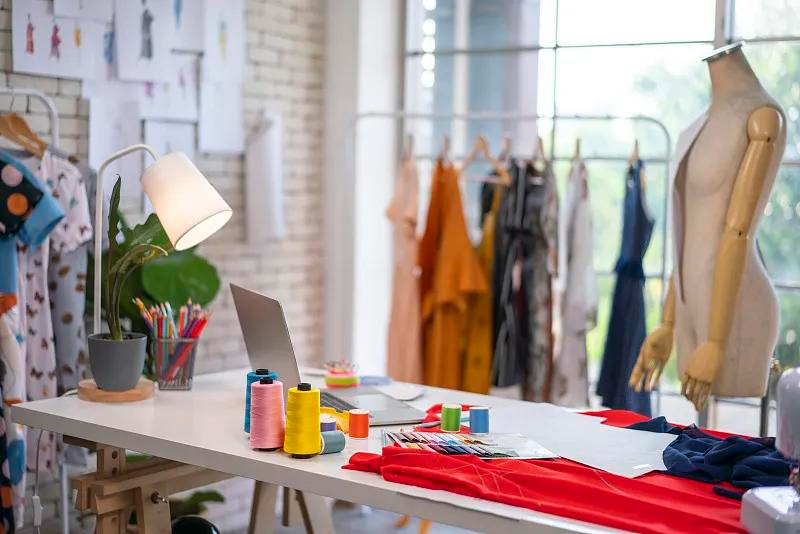

Data shows that more than 500,000 new high-end jobs were created in the first half of 2026, including AI designers, 3D pattern makers, sustainable fabric R&D engineers, flexible intelligent manufacturing technicians, brand planners and cross-border e-commerce operators. The average salary for high-end talents rose by 25% year-on-year, while pay for core technical positions jumped by 40%, greatly boosting the industry’s appeal.
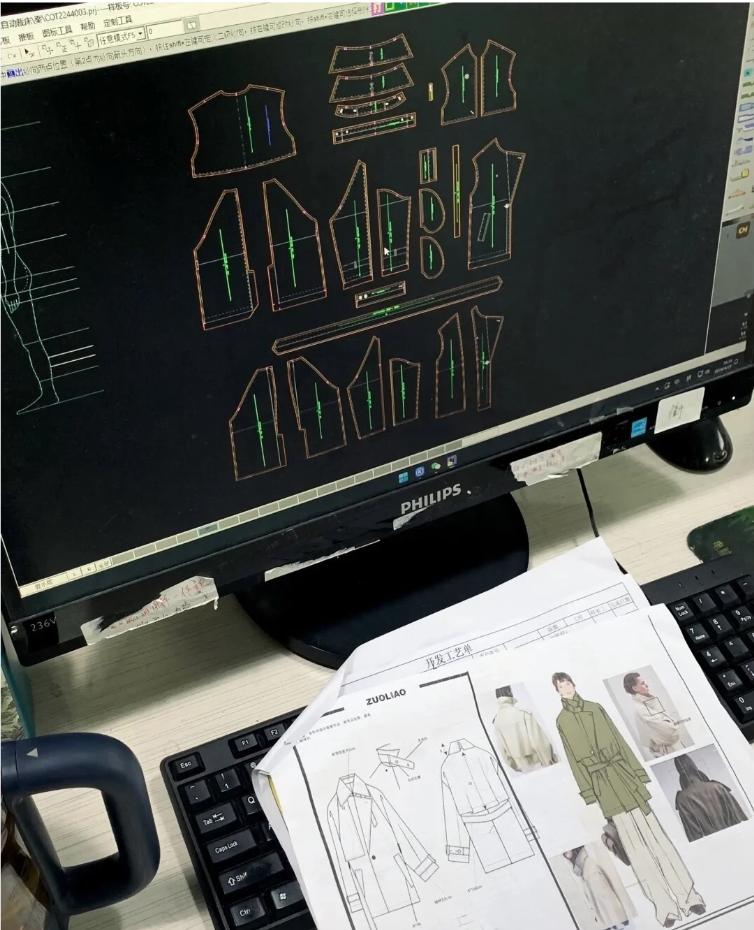
Traditional roles have seen both upgrading and downsizing. Demand for low-end repetitive jobs such as sewers, machine operators and manual pattern makers dropped by 15% year-on-year in 2026. Meanwhile, job quality has improved. After vocational training, many veteran workers have transitioned into intelligent equipment operators, robot maintenance technicians and quality inspection engineers, earning 30% to 50% more than before. This helps workers retain employment and achieve steady income growth.
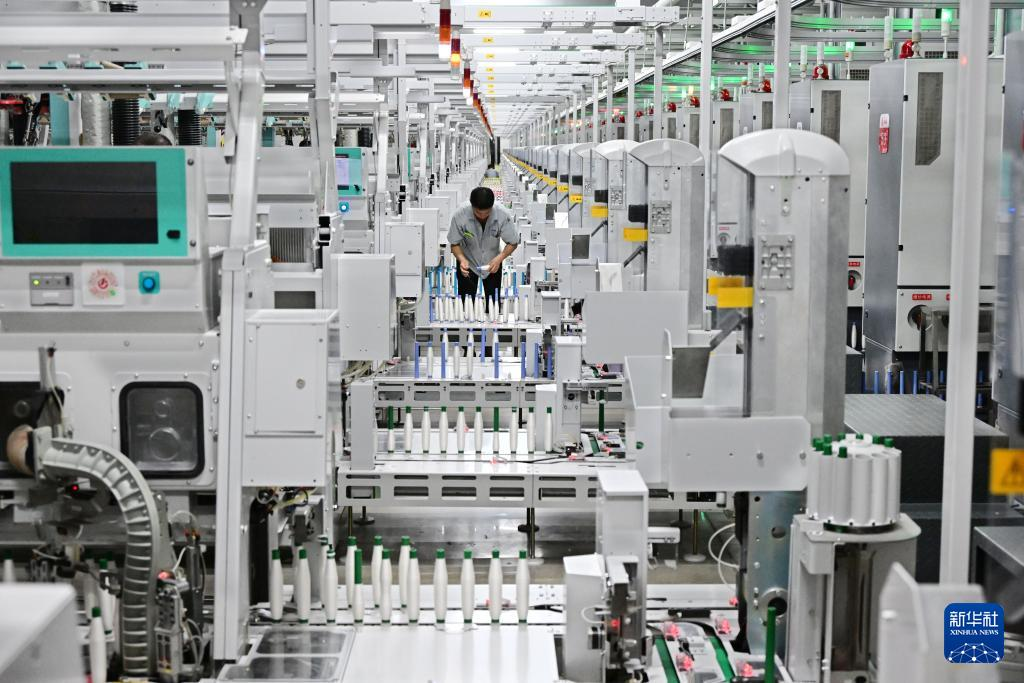
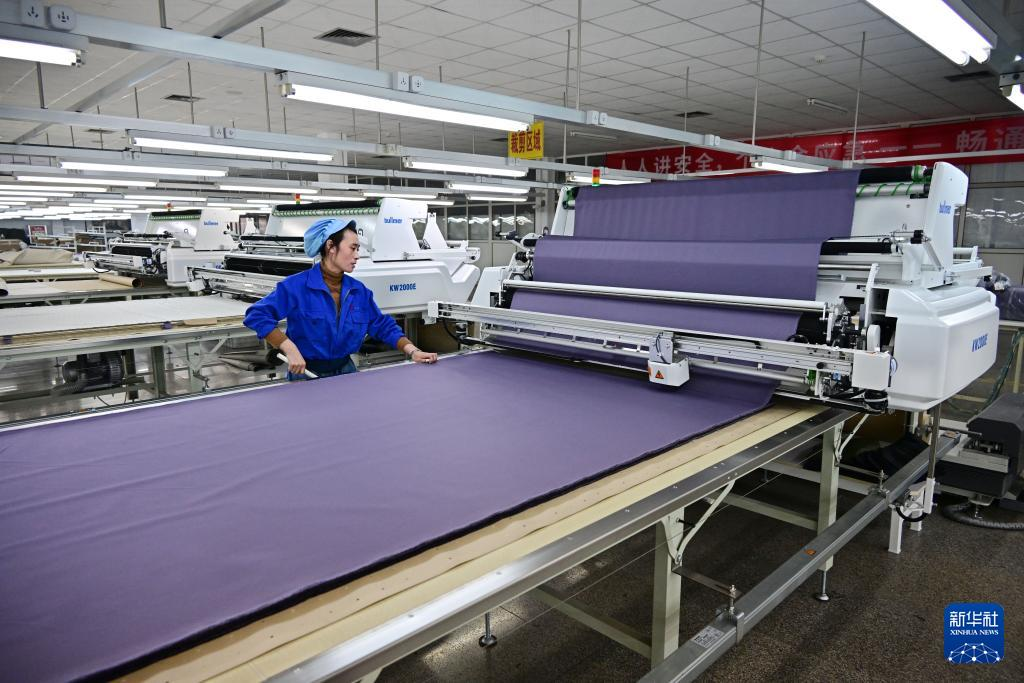
Creative design professionals have become highly sought-after talent with surging market demand. Positions including AI designers, original apparel designers, Chinese-style fashion designers and sustainable fashion designers are in short supply, with a talent gap exceeding 200,000 in the first half of 2026. Leading brands and emerging designer labels are offering competitive salaries to recruit talent. Senior original designers generally earn an annual salary of 500,000 to 1 million yuan, and emerging designers earn 200,000 to 400,000 yuan per year, double the figures from five years ago.
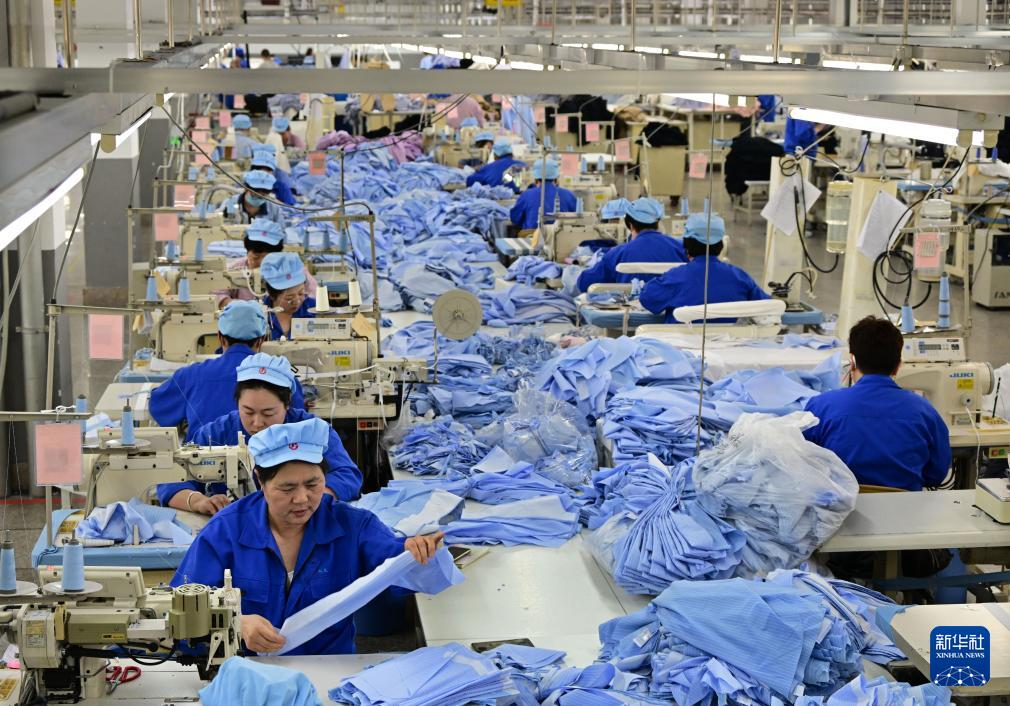
Talents in technological R&D and intelligent manufacturing are in high demand and form the core competitiveness of the industry. Fueled by the industry’s digital, intelligent and green transformation, positions like 3D pattern makers, digital fabric engineers, flexible manufacturing technicians, humanoid robot maintenance engineers and eco-friendly material R&D engineers keep seeing rising demand, with a talent gap of over 150,000 in 2026. The starting salary for these roles is generally above 8,000 yuan per month, and experienced technical staff earn 300,000 to 800,000 yuan annually, far above the industry average.
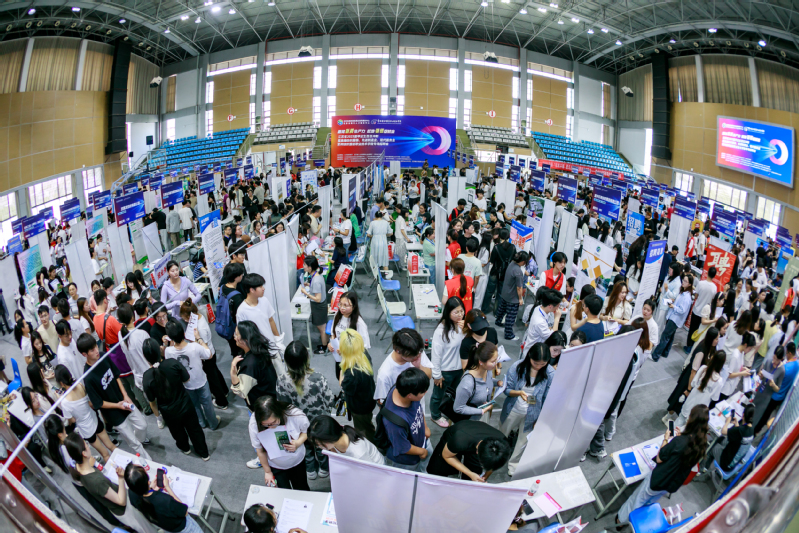
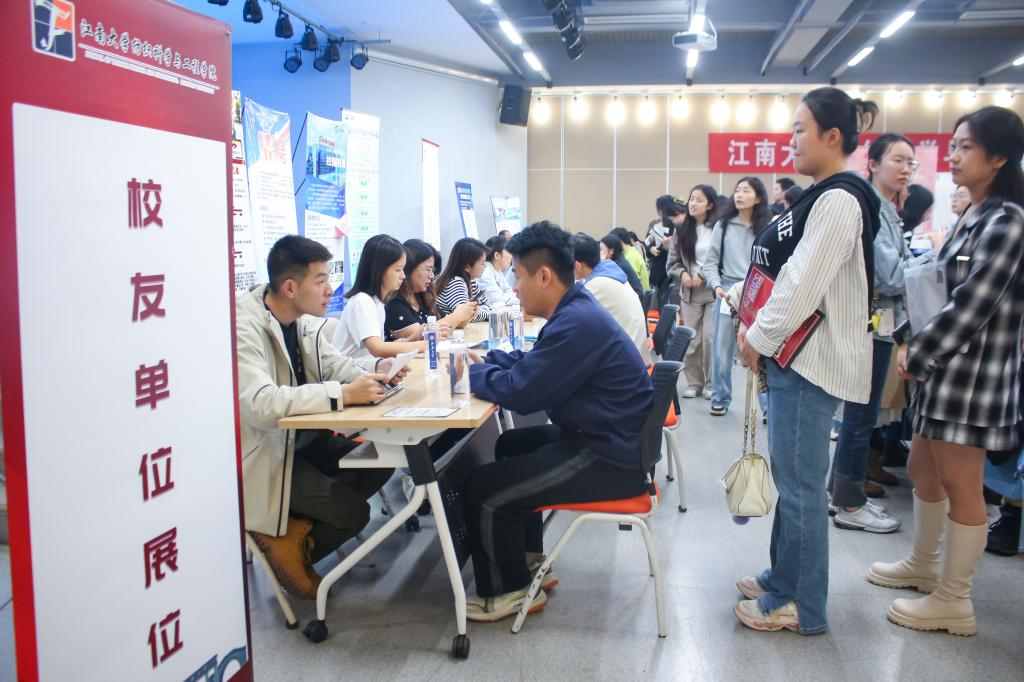
Demand for brand operation and cross-border e-commerce talents has grown rapidly, supporting the global expansion of Chinese brands. Spurred by the boom of domestic fashion trends and accelerated apparel exports, roles such as brand planners, visual designers, cross-border e-commerce operators, overseas social media marketers and international purchasers face a talent gap of over 100,000 in 2026, with salaries climbing 20% year-on-year.
The optimized employment structure has enhanced the industry’s attractiveness. A growing number of young people and well-educated talents with bachelor’s degrees or above are joining the sector, breaking the long-standing stereotype that garment industry jobs are low-end, strenuous and low-paid. In 2026, employees with bachelor’s degrees or higher accounted for 35% of the total workforce, up 15 percentage points from 2023. Among design, technical and R&D roles, staff with master’s degrees or above made up 12%. The talent pool is becoming more high-end, younger and better educated.
Industry experts state that the optimization of the employment structure is an inevitable outcome of the industry’s high-quality development. As the sector shifts its focus from labor and cost advantages to creativity, technology and brand strength, its overall competitiveness is enhanced. It also generates numerous high-quality jobs, helps stabilize employment and increase incomes, and contributes to economic and social development.
