
In 2026, innovation in eco-friendly materials is booming across the apparel industry. Boasting low carbon emissions, biodegradability, superior performance and sustainability, new bio-based materials have emerged as the hottest trend in global fashion. From Paris Fashion Week to haute couture shows, and from luxury international brands to emerging designers, bio-based materials including mycelium leather, plant-based down, algae fiber, pineapple fiber and apple peel leather have been widely adopted. They have completely overturned the stereotype that eco-friendly products equal low quality, delivering a perfect combination of sustainability, stylish design and excellent performance.
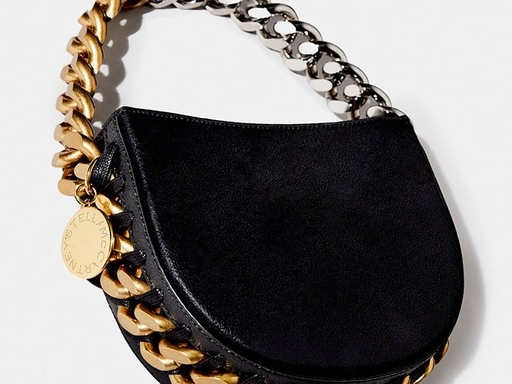
Mycelium leather (Mylo) stands out as the most sought-after bio-based material today. Produced by fermenting mycelium from mushroom roots, it features a texture nearly identical to calfskin. Its carbon footprint is 90% lower than that of conventional leather, and it is naturally biodegradable while capable of purifying air. The mycelium leather handbags from Stella McCartney’s Spring/Summer 2026 collection sold out within two hours after launch, with a waiting list of over 2,000 customers. The brand’s official website crashed twice due to overwhelming traffic, making the product a phenomenal hit. Brands including Balenciaga and Lululemon have also rolled out footwear, apparel and accessories made from mycelium leather, gaining rapidly growing market recognition.

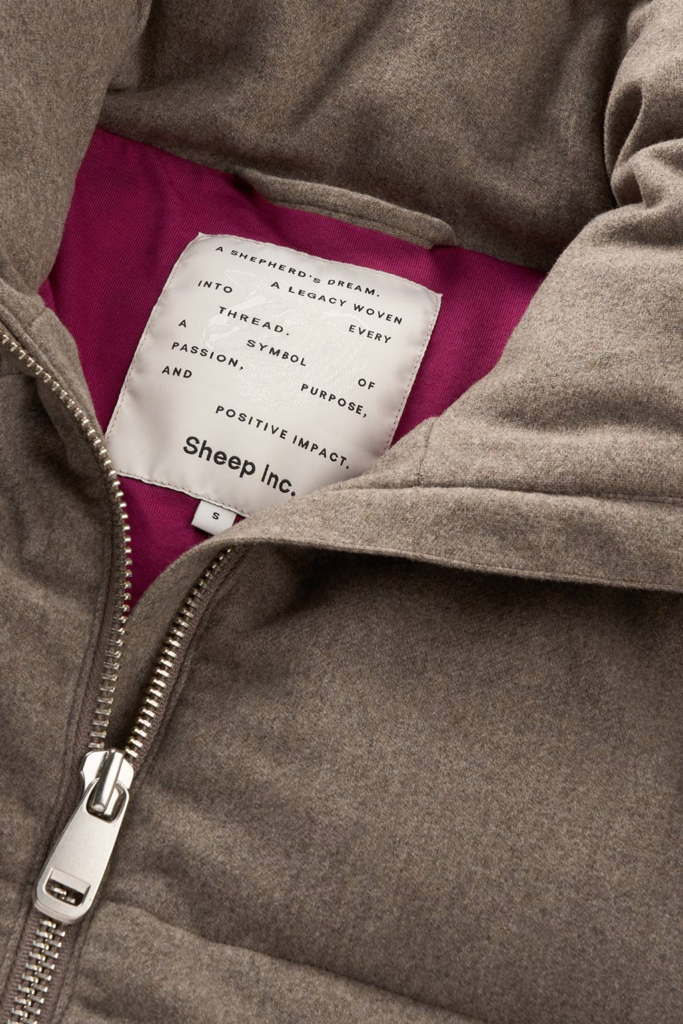
Plant-based down made its large-scale debut at fashion weeks in 2026. Crafted from plant-based materials such as corn fiber and soybean protein fiber, it offers better loft and lightness than natural down. It requires no harm to animals, embodying the eco-friendly philosophy of cruelty-free production. Premium down apparel brands like Moncler and Canada Goose have announced plans to gradually replace natural down with plant-based alternatives starting in 2027, to further reduce harm to animals and environmental impact.

Algae fiber has become a new favorite in haute couture. Dutch designer Iris van Herpen created a “living” gown woven with 125 million bioluminescent algae, which emits soft blue glimmers with changes in light. The stunning piece blending technology and art wowed audiences at Paris Haute Couture Week. With antibacterial, moisturizing and biodegradable properties, algae fiber is widely used in lingerie, loungewear and activewear, seeing rapid market expansion.

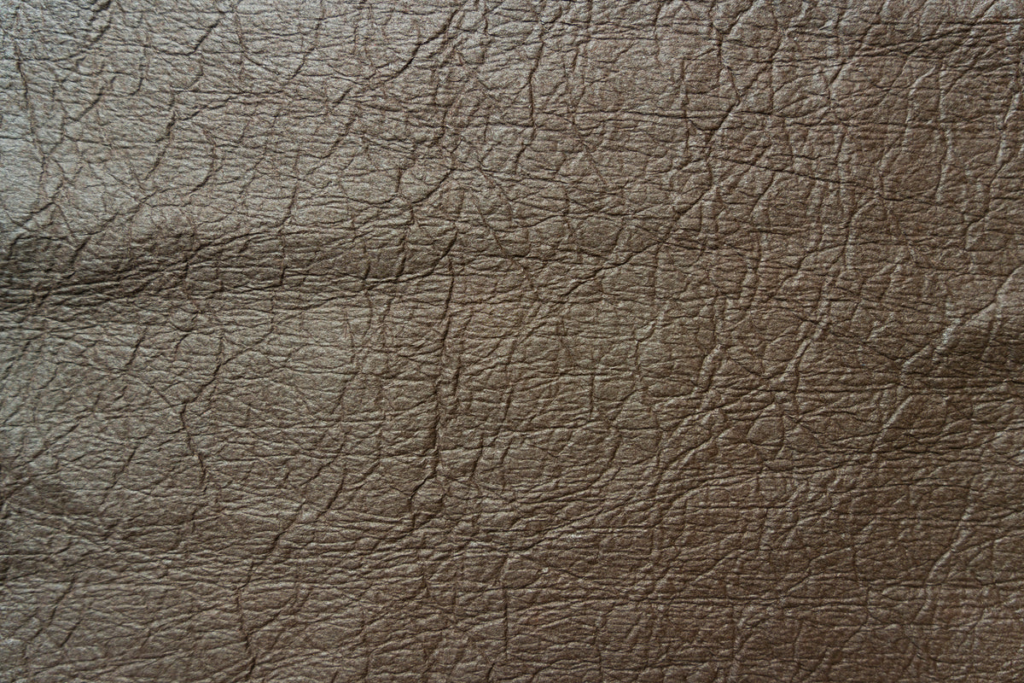
In addition, pineapple fiber (Piñatex), apple peel leather, cactus leather and other bio-based materials are moving toward commercialization. They are applied to garments, shoes, bags and other products, forming a diversified portfolio of bio-based materials.
These materials carry far-reaching industrial significance. Free from reliance on petroleum and arable land, bio-based materials are low-carbon, eco-friendly and recyclable. They fundamentally address the drawbacks of traditional fabrics, namely high pollution, high energy consumption and poor biodegradability. This drives the transformation of the apparel industry from petroleum-based to bio-based production, and contributes to carbon neutrality goals. China has made rapid progress in the R&D and industrialization of bio-based materials. A number of domestic enterprises have achieved mass production of mycelium leather and algae fiber, ranking among the world’s leading producers in terms of capacity.
On the consumer side, products made of bio-based materials are becoming increasingly affordable. Their sales surged by 120% year-on-year in the first quarter of 2026, with young consumers as the main buyer group. Wearing bio-based apparel to protect the planet has become a new fashion trend. Experts predict that bio-based materials will account for 30% of all apparel fabrics by 2030 and evolve into an industry mainstream.
