
In 2026, artificial intelligence (AI) has reached a mature stage of application in the apparel industry. It has penetrated the entire industrial chain covering design, pattern making, production, marketing and consumption, thoroughly reshaping the industry’s R&D and operation models. Statistics show that in the first quarter of 2026, the AI design penetration rate among major domestic garment enterprises hit 75%, doubling compared with 2024. The average R&D cycle was shortened by 40%, prototype garment waste reduced by 50%, and the volume of original designs rose by 80% year on year. AI has become a core driving force for the high-quality development of the garment sector.
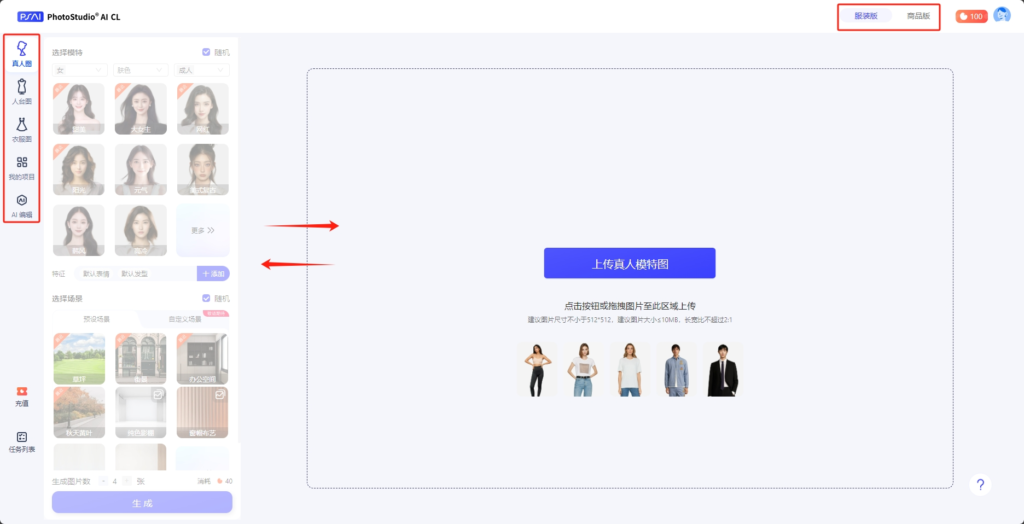
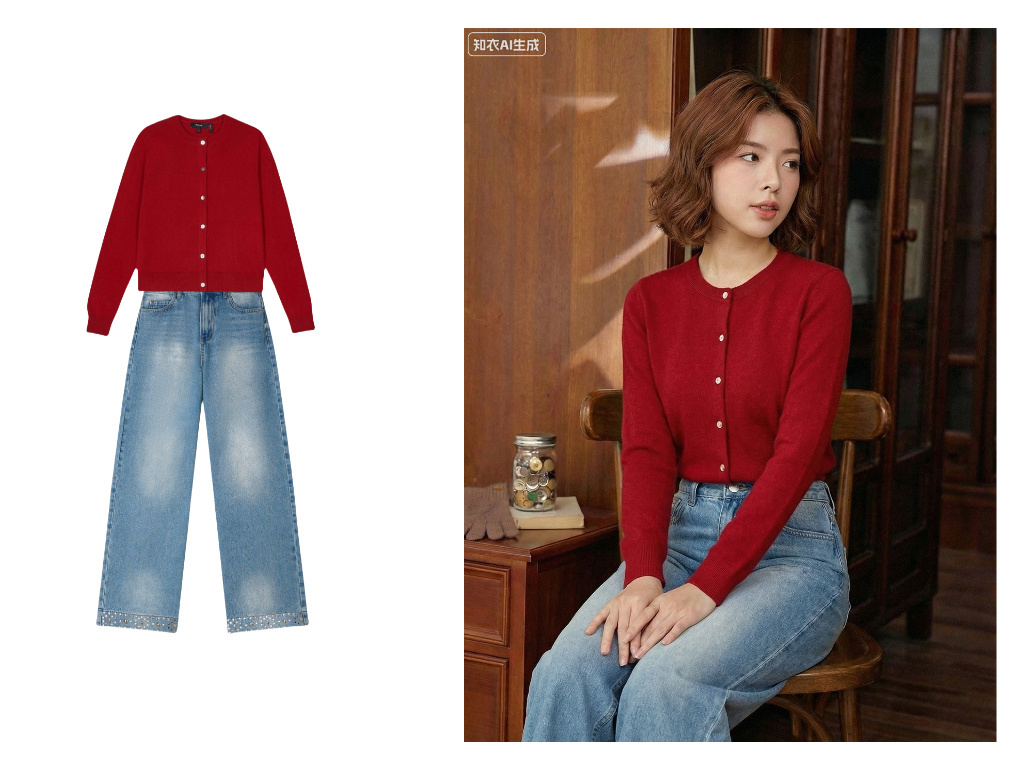
The core strengths of AI design lie in high efficiency, precision, innovation and cost-effectiveness. Designers only need to input style keywords, inspiration images, fabric requirements and target consumer groups, and AI can generate dozens of original design solutions including styles, colors, patterns and details within minutes, greatly boosting design efficiency. Meanwhile, AI conducts intelligent predictions based on global fashion trends, consumer preferences and sales data to precisely align products with market demands and reduce the risk of unsold inventory. For instance, a domestic women’s wear brand adopted AI to develop its Spring/Summer 2026 collection, finishing 120 original designs in just two weeks — three months faster than the traditional workflow. The collection achieved a hit rate of 65% after launch, far exceeding the industry average.
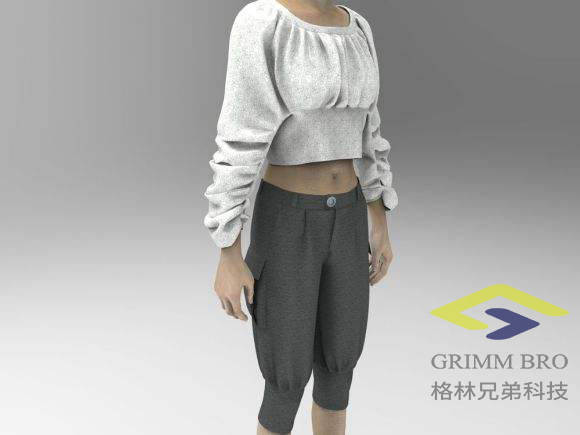
AI-powered pattern making and 3D virtual fitting have also gained widespread popularity, enabling prototype-free R&D. AI can automatically generate accurate paper patterns from design drawings with a margin of error within ±0.1cm. 3D virtual fitting technology simulates the wearing effect of garments in the digital space, supporting matching with millions of body shape data, dynamic runway display and realistic fabric texture restoration. Design confirmation can be completed without producing physical prototypes, slashing costs on fabrics, time and labor. It is estimated that 80% of brands at fashion weeks in 2026 used 3D virtual prototypes, cutting the number of physical samples by more than half.
AI has also fueled a surge in original designs and lowered the barriers to creation, allowing more emerging designers and small and medium-sized brands to engage in independent design. By integrating Eastern and Western aesthetics, traditional intangible cultural heritage and modern trends, AI creates original works that combine cultural depth and fashion appeal, effectively addressing the long-standing problems of design plagiarism and homogenization in the industry. In 2026, original designs accounted for 60% of all works in China’s garment industry, up 25 percentage points from 2023, marking a remarkable rise in industrial innovation vitality.

Industry experts point out that AI does not replace designers, but empowers them. It frees designers from tedious repetitive work so they can focus on creativity, cultural inheritance and emotional expression, driving the transformation of garment design from experience-driven development to a dual model powered by data and creativity. In the future, AI will be deeply integrated with the metaverse, digital twins and virtual fashion to spawn new forms and greater value for the fashion industry.
