
In 2026, China has made breakthrough progress in developing a circular economy for the garment industry. The full industrial chain covering used clothing collection, recycling and closed-loop design has been rapidly optimized. The national used clothing recycling rate hit 28%, up 10 percentage points from 2023. The annual output capacity of recycled fibers reached 8 million metric tons, accounting for 40% of the global total and securing China’s position as the world’s largest producer. The country has evolved into a core hub for the global textile circular economy.
For a long time, China produces over 20 million metric tons of waste textiles every year, with a comprehensive utilization rate below 15%. Large quantities of used clothes end up in landfills or incinerators, resulting in resource waste and environmental pollution. Driven by the national dual carbon goals and relevant policies, the circular economy has become a key direction for the industry transformation, and 2026 marks a critical period for its large-scale implementation.
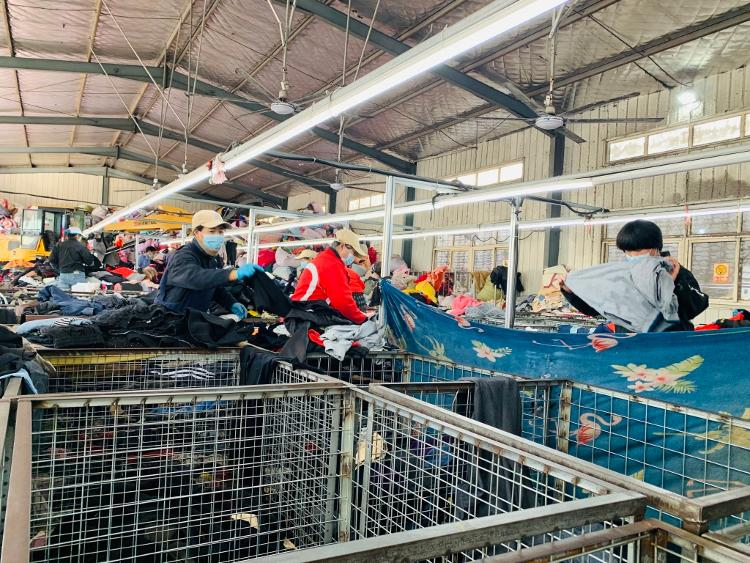
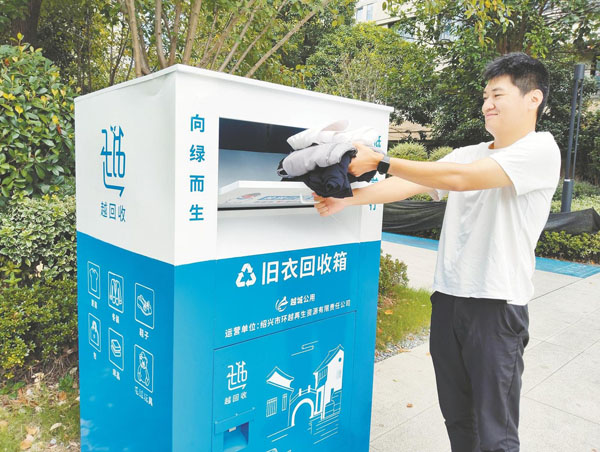
A nationwide used clothing recycling network has been fully established, forming a diversified system featuring community collection bins, door-to-door pickup, online platforms and offline stores. As of May 2026, there were more than 500,000 community clothing recycling bins across the country, covering over 90% of urban communities. E-commerce and social platforms including Alibaba, JD.com and Douyin have launched mini-programs for used clothing recycling, enabling one-click reservation for home pickup. Retail brands such as Uniqlo, H&M and Bosideng have set up recycling stations in their physical stores, where consumers can earn points or coupons for donating used clothes, greatly boosting public participation. In the first quarter of 2026, the volume of recycled used clothing nationwide exceeded 5 million metric tons, a year-on-year increase of 60%.
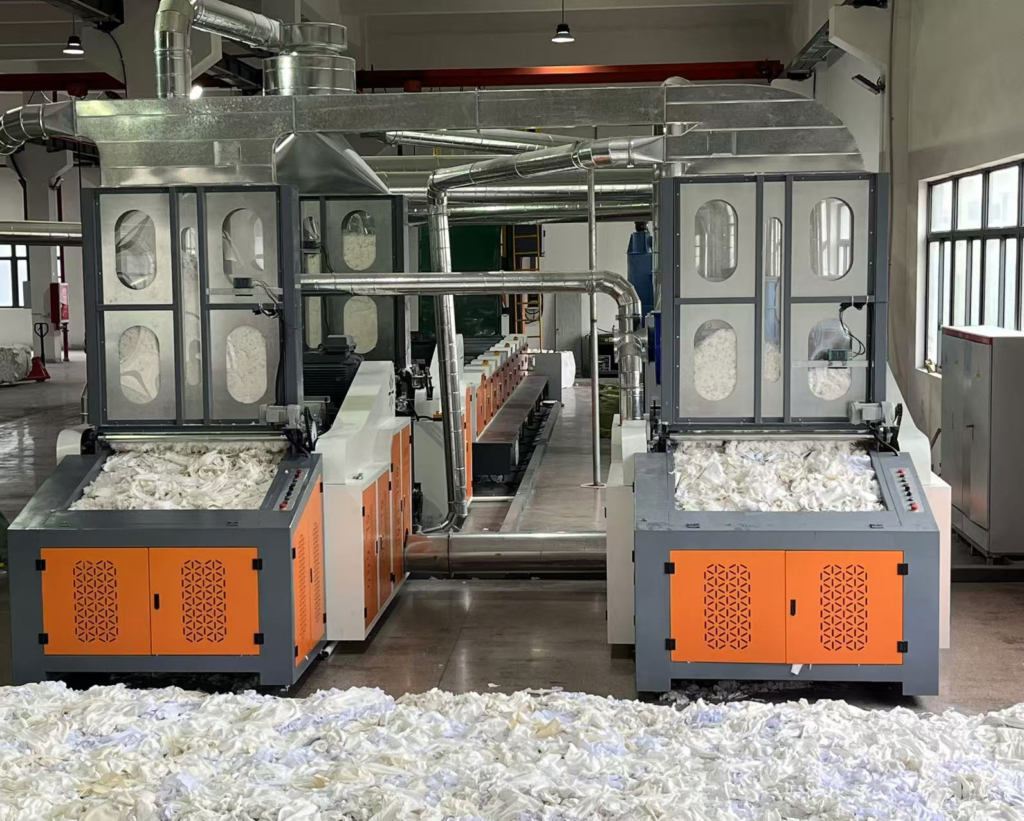
Technological breakthroughs and capacity expansion for recycled fibers have advanced side by side. The performance of recycled polyester, recycled cotton, recycled lyocell and other products has been greatly enhanced, narrowing the performance gap with virgin fibers. Chinese enterprises have mastered core technologies for the efficient sorting, decolorization, opening and fiberizing of waste textiles. The breaking strength, color fastness and comfort of recycled fibers have reached over 95% of those of virgin fibers, while their prices are 10% to 15% lower, delivering prominent cost-performance advantages. In 2026, China’s annual recycled fiber capacity stood at 8 million metric tons, including 5 million tons of recycled polyester, 2 million tons of recycled cotton and 1 million tons of recycled lyocell, which can meet 35% of the raw material demand of the domestic garment industry.
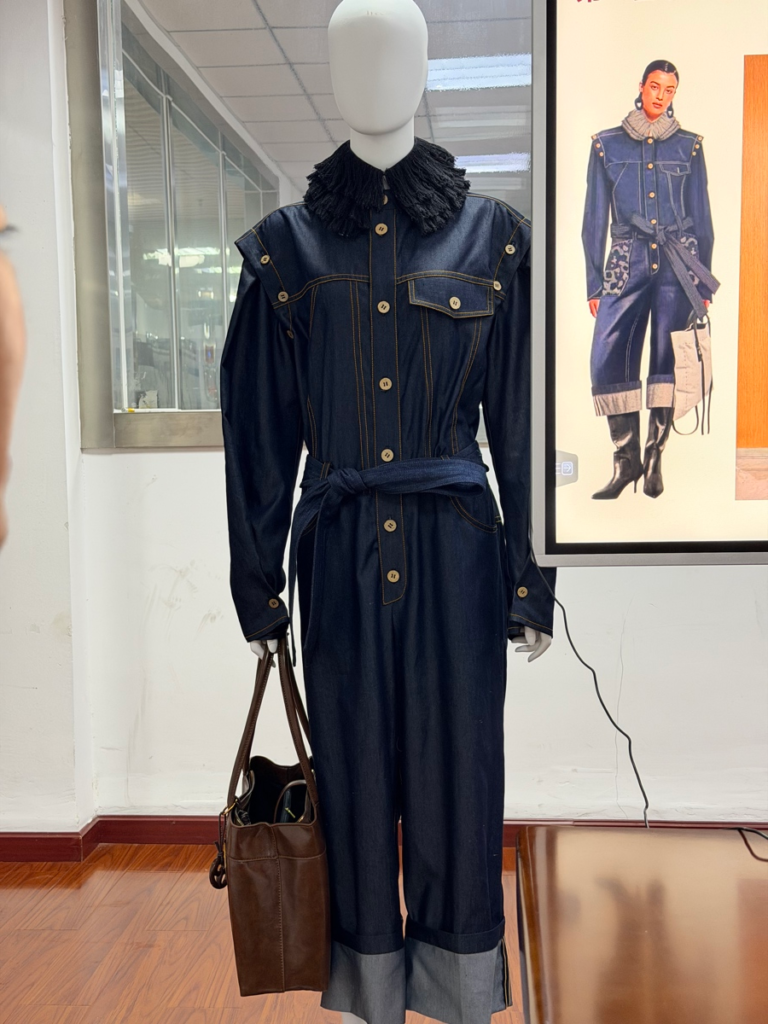
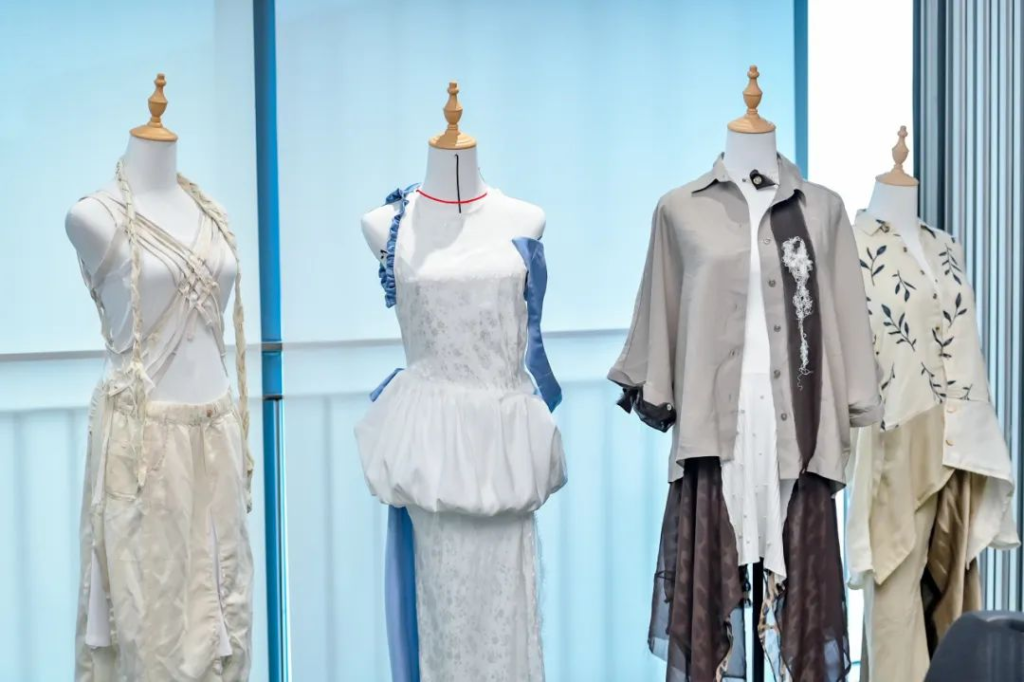
Closed-loop design and upcycling of used clothes have become standard practices for brands. An increasing number of enterprises adopt the design concept of recyclability, disassemblability and renewability to improve garment circularity at the source. Some domestic original brands have launched collections themed “One Garment, Infinite Circulation”. Made of single materials without complex stitching or metal accessories, these garments can be directly reprocessed into new fabrics after recycling. Several brands also provide clothing upcycling services, remaking collected old garments into new styles through redesign, cutting and sewing to give them a new lease of life.
In terms of policy support, the National Development and Reform Commission, the Ministry of Industry and Information Technology and the Ministry of Commerce jointly issued the Implementation Plan for the Recycling and Utilization of Waste Textiles (2026–2030). The document sets clear targets: the used clothing recycling rate will rise to 40% and the annual recycled fiber capacity will reach 12 million metric tons by 2030, forming a complete closed-loop industrial chain of “recycling – regeneration – design – production – consumption – recycling”.
Industry insiders commented that the improvement of China’s garment circular economy system will not only cut resource consumption, reduce carbon emissions and ease environmental pressure, but also foster new industries, business forms and models, create numerous jobs, and drive the green, low-carbon, sustainable and high-quality development of the apparel sector.
