
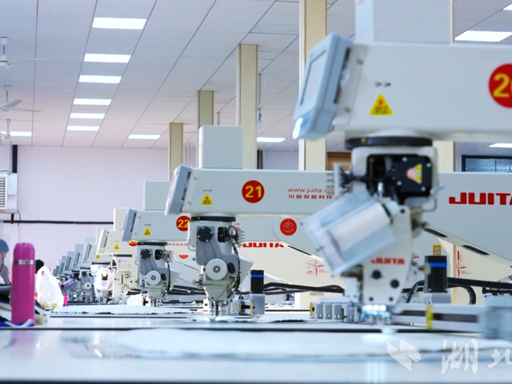
On April 29, 2026, Zhejiang Humanoid Robot Innovation Center signed a procurement agreement for 2,000 customized humanoid robots tailored for garment production with Jack Technology, a global leader in intelligent sewing equipment. This is the world’s first and largest bulk order for the large-scale application of humanoid robots in the apparel industry, marking a new era where garment manufacturing automation evolves from standalone machine operation to flexible intelligent production.
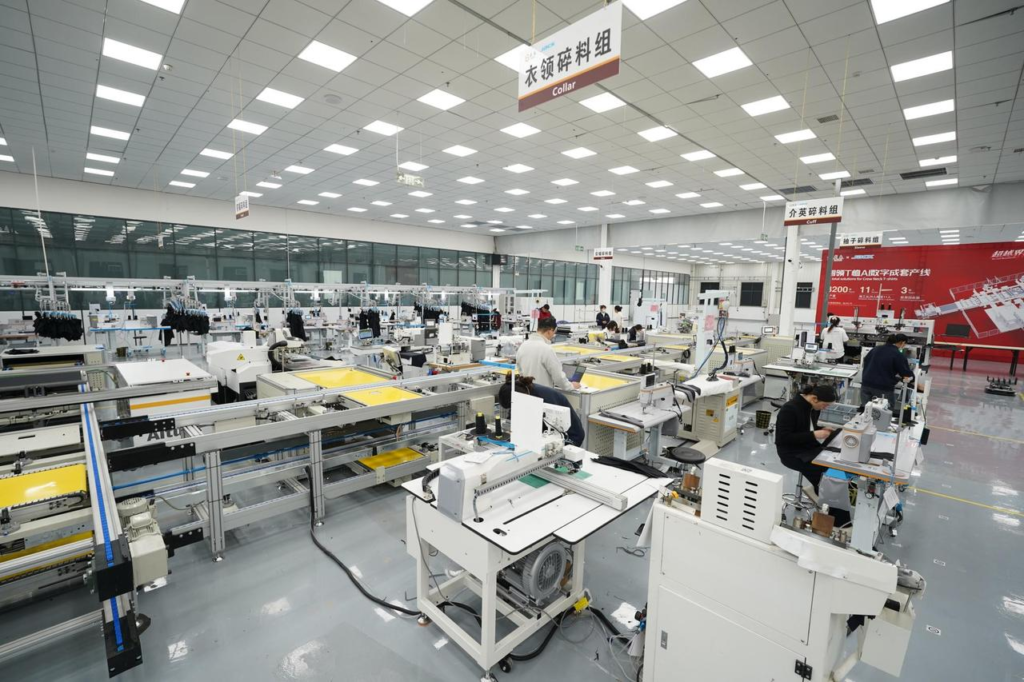
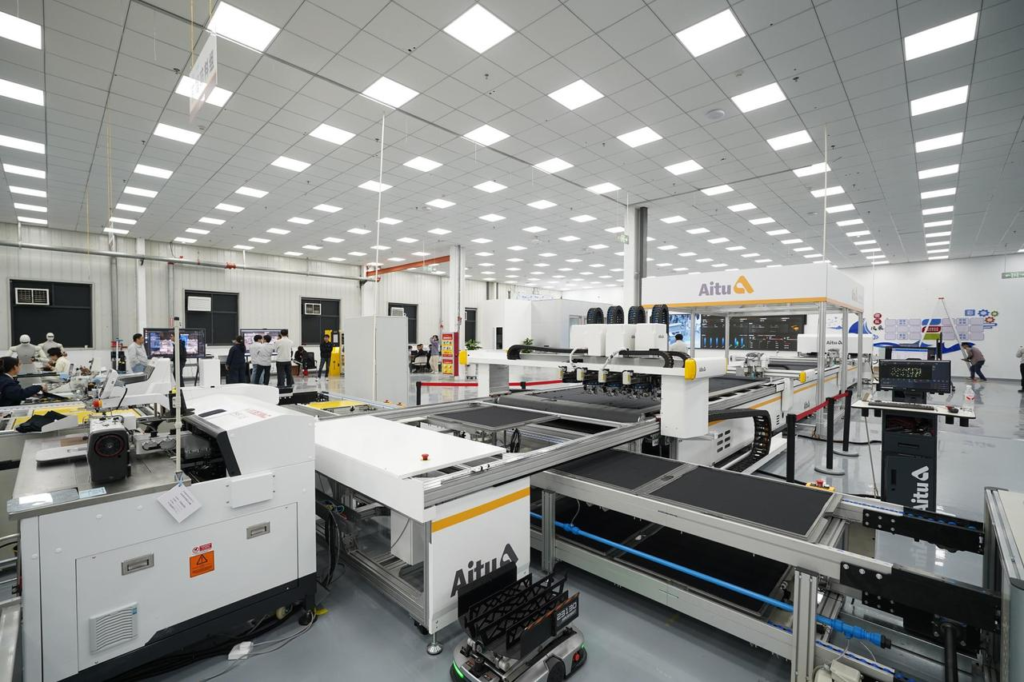
For a long time, the apparel industry has lagged far behind the average automation level of the manufacturing sector. Challenges include the difficulty of high-precision handling of flexible fabrics, diverse product styles, small production batches and tight delivery schedules. Especially amid the market demand for small-batch and quick-response production, traditional automated equipment can hardly adapt. Heavy reliance on manual labor has led to prominent problems such as growing labor shortages, rising labor costs and low production efficiency.
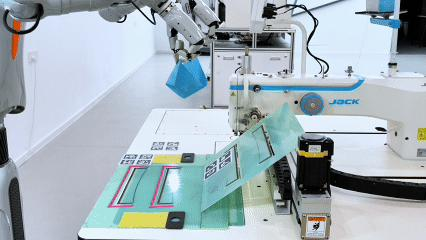
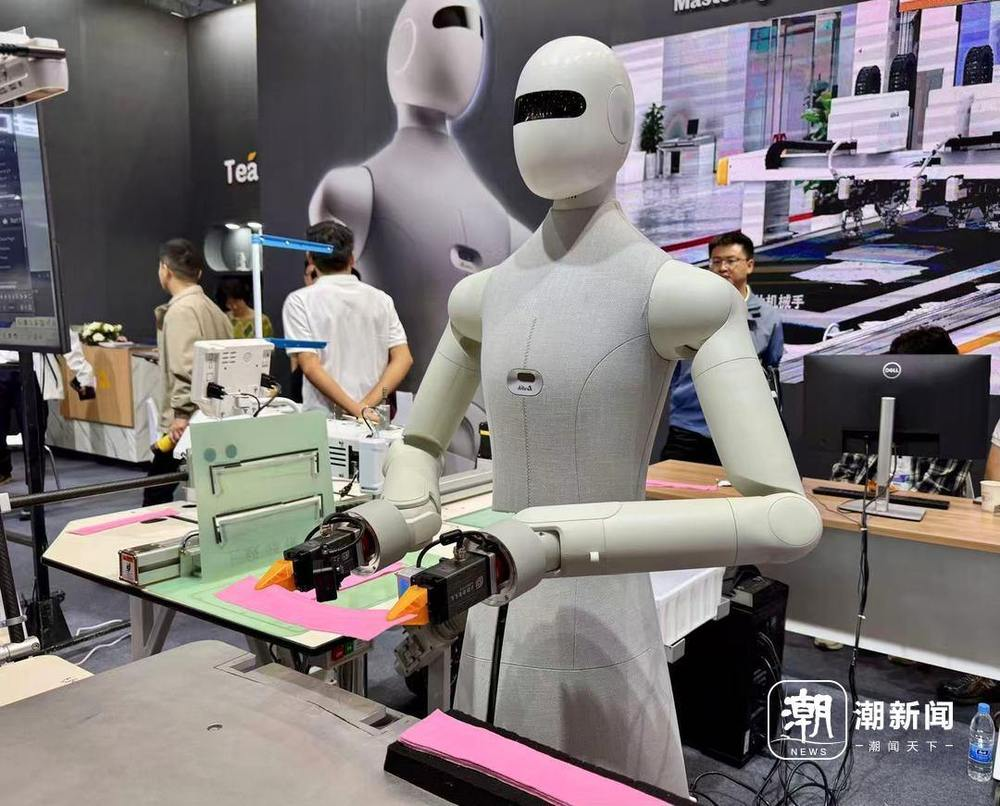
The NAVI AI series humanoid robots deployed in this project adopt the self-developed embodied intelligent architecture SPIRE, integrating visual and tactile perception technologies. Just like human hands, they can accurately identify the softness and flatness of fabrics, and perform sophisticated tasks including fabric separating, pinching, aligning and stacking. The deviation of alignment and stacking is controlled within ±2 millimeters, matching the proficiency of skilled workers.
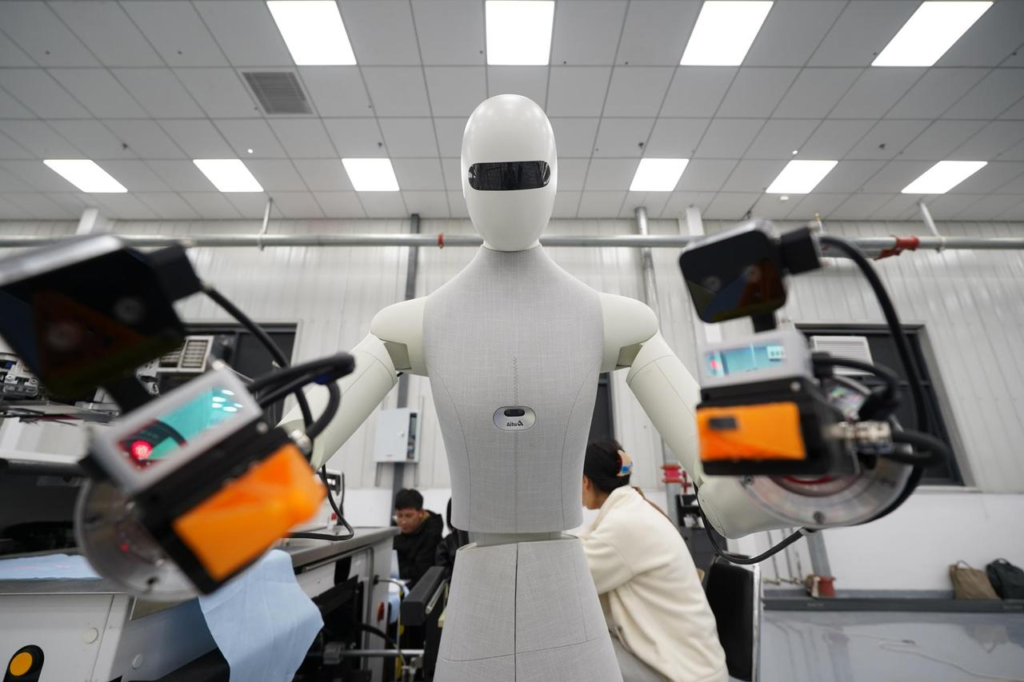
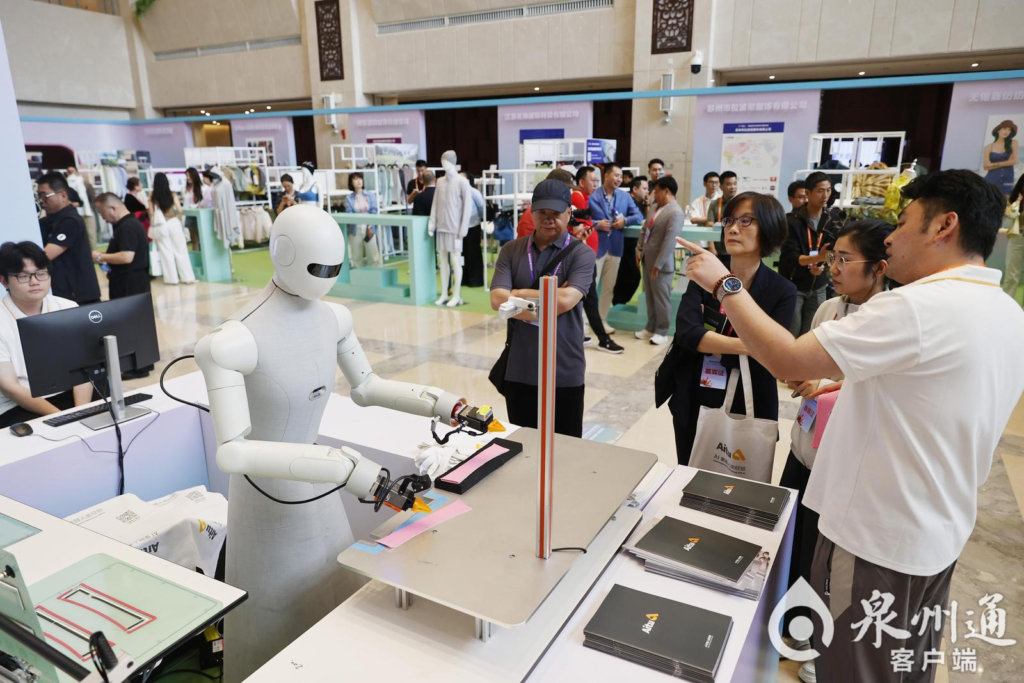
Equipped with self-learning and fault self-recovery capabilities, the robots can continuously optimize performance from operational errors. They are compatible with various fabrics such as cotton, linen, silk and chemical fibers, and suit the production of full categories including suits, shirts, dresses and knitwear, realizing multi-purpose use and flexible production.
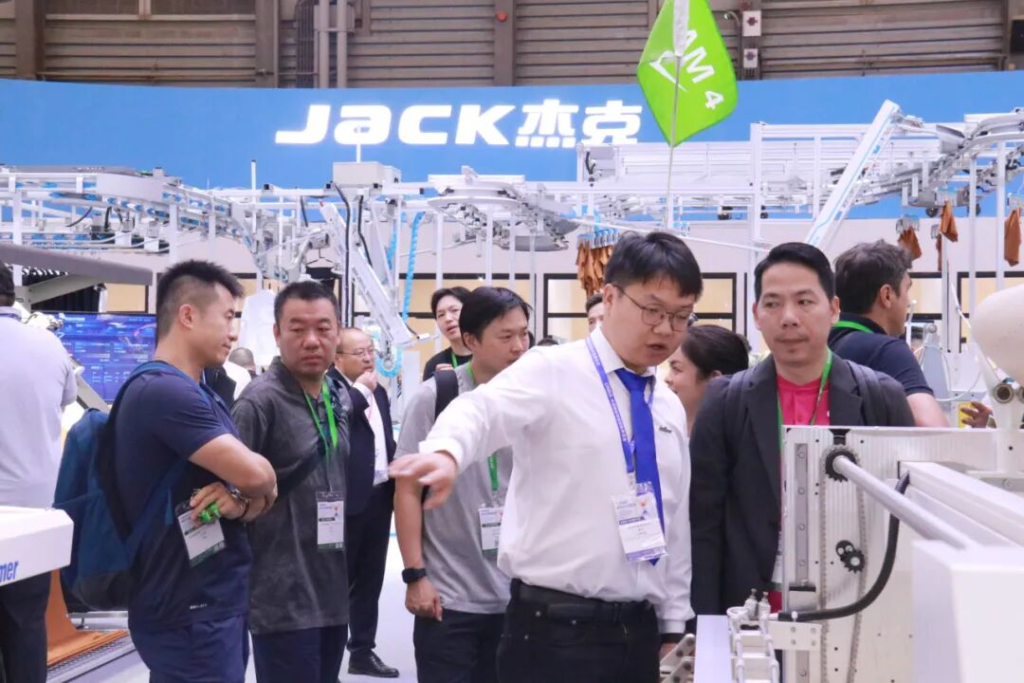
The application delivers remarkable benefits. A single robot can replace 3 to 5 skilled workers and operate 24 hours non-stop. It boosts production efficiency by 80% and reduces the defective rate to below 0.5%, greatly cutting labor costs and material waste. In addition, the robots support rapid style switching: the style changeover time is shortened from 2 to 3 hours for traditional equipment to less than 15 minutes, perfectly catering to the market needs for small batches, quick responses and diversified products.
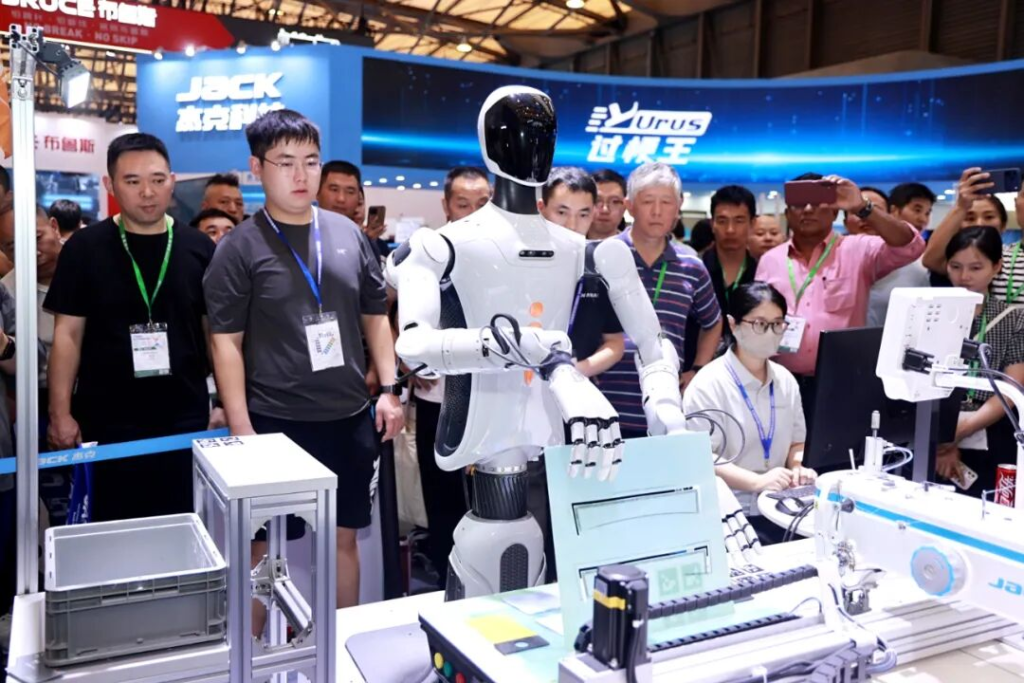
The project exerts far-reaching industrial impacts. Upon the full operation of the 2,000 robots, garment enterprises are expected to save over 500 million yuan in labor costs annually, cut fabric waste by more than 20,000 tons and increase output by over 30 million pieces. This will effectively ease labor shortages and strengthen industrial competitiveness. More importantly, China has taken the global lead in the application of humanoid robots for flexible fabric processing, outperforming Europe, America, Japan and South Korea in relevant technologies and large-scale deployment capabilities. It provides core support for the transformation of China’s garment manufacturing from a labor-intensive industry to a technology-intensive one.
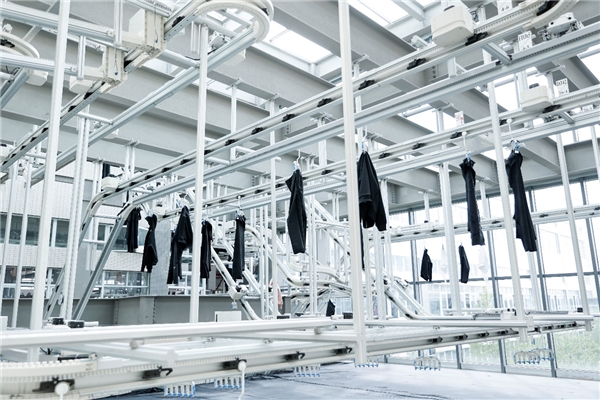
Industry experts remark that the large-scale adoption of humanoid robots in the apparel sector is a milestone of in-depth integration between intelligent manufacturing and traditional industries, which will reshape the competitive landscape of the global garment industry. Those who take the lead in mastering flexible intelligent manufacturing technologies will gain the upper hand in future competition. With its first-mover advantages and complete industrial chain, China is poised to become a global hub for flexible intelligent manufacturing in apparel.
