Global Apparel Industry Switches to Durable Design & Circular Upcycling, Fast Fashion’s Disposable Model Declines Rapidly
Word count: Approximately 1,300 words
In May 2026, the concept of sustainable design continues to take deep root across the global fashion industry. Leading apparel brands at home and abroad have fully implemented design strategies focusing on long-lasting wear, circular renovation and garment upcycling, driving a systematic shift of the industry from short-lived trend pursuit to eco-friendly and long-term development. For years, fast fashion is marked by frequent new launches, low-price sales and rapid phase-out of products, generating over 92 million tons of textile waste every year, with China accounting for more than 20% of the total. Driven by the global pursuit of carbon neutrality and rising environmental awareness among consumers, 2026 has become a pivotal turning point for the industry to move away from fast fashion.
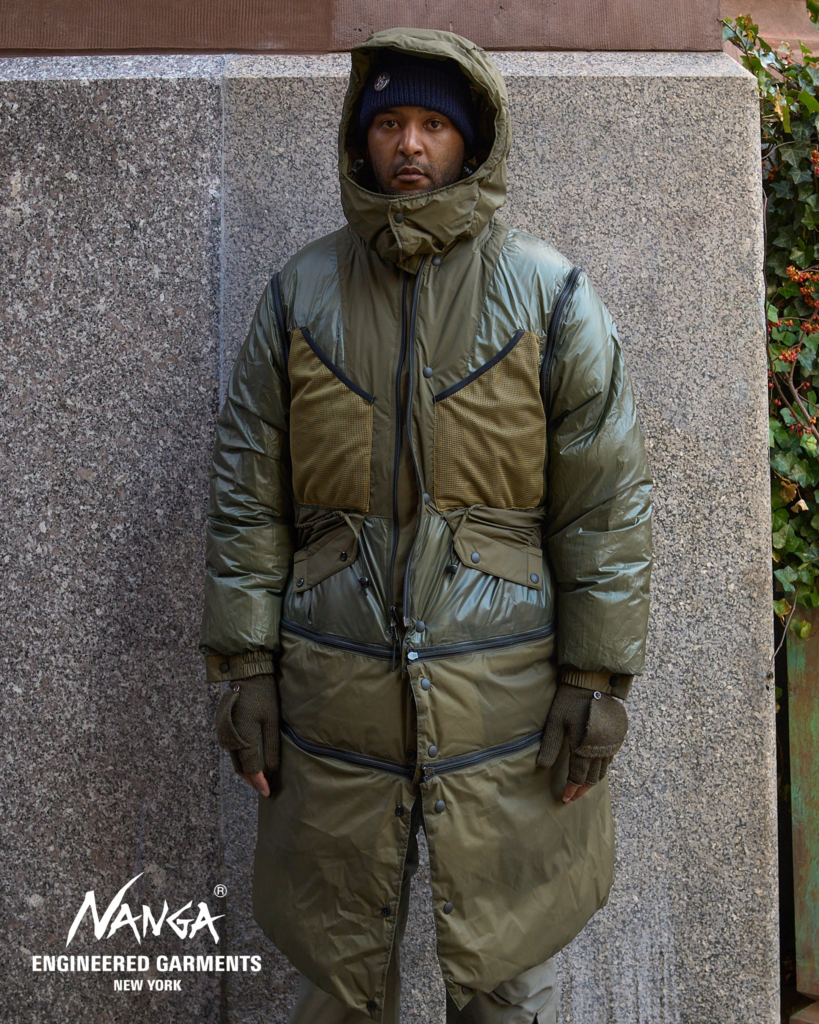
Top international brands have taken the lead, taking durability, versatility, repairability and transformability as core criteria for product development. A European luxury brand adopted classic silhouettes for its entire 2026 Spring/Summer collection, guaranteeing timeless styles that stay fashionable for a decade and providing lifelong mending services. An American designer brand launched multi-way modular jackets. By detaching collars, cuffs and belts, a single piece can be styled in over five ways, which greatly improves the utilization rate of individual garments. Domestic original designer brands have kept pace, integrating detachable, reconstructible and re-creation elements into structural design, so that basic apparel can be restyled to cater to consumers’ changing demands.
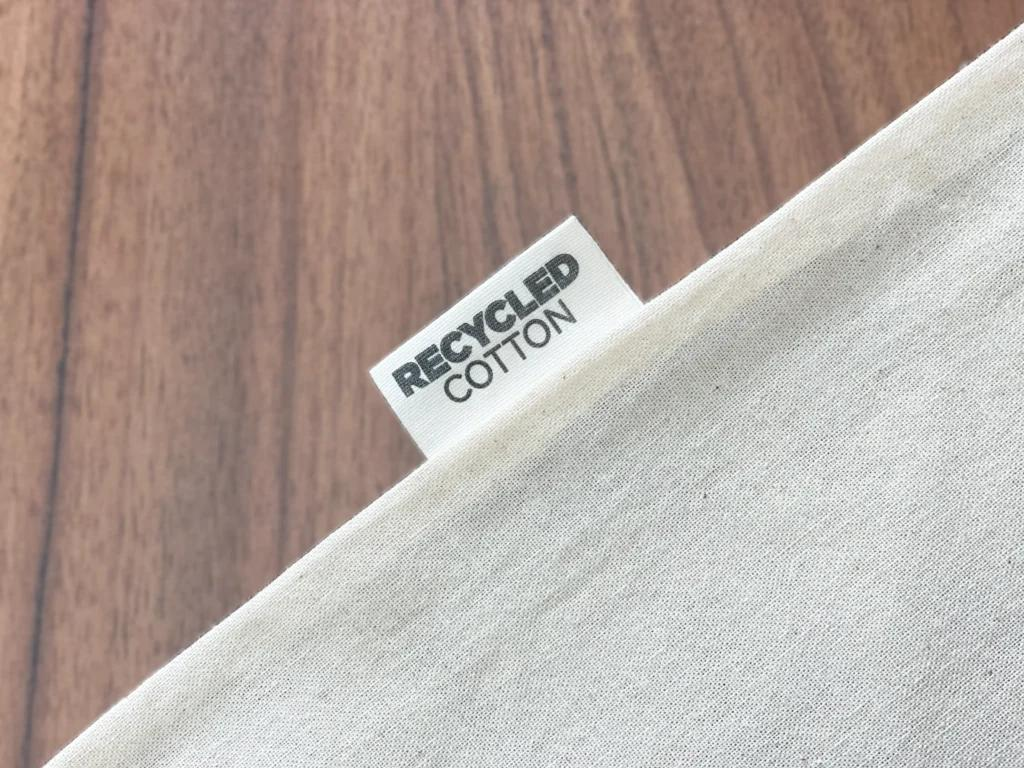
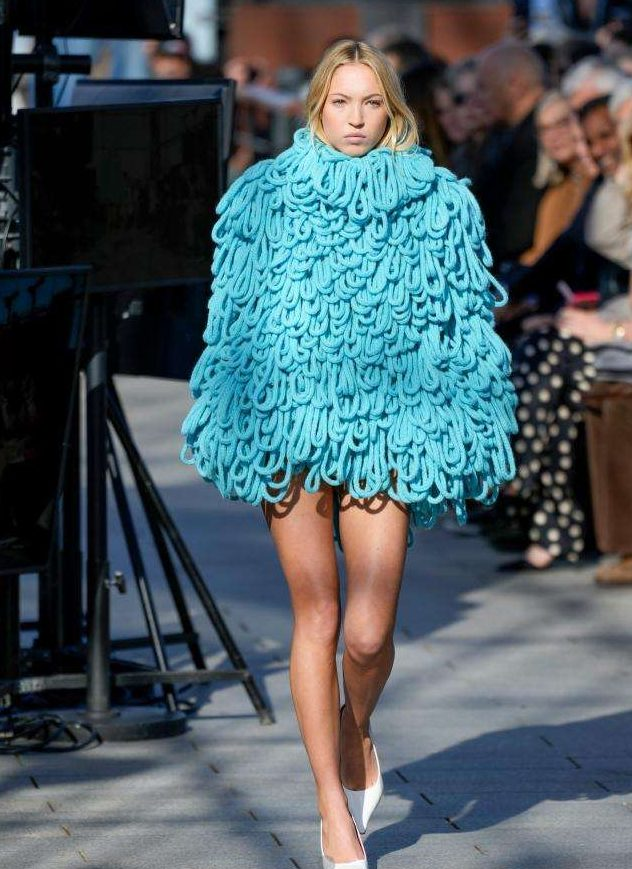
In terms of fabrics, the application of eco-friendly materials such as recycled polyester, organic cotton, lyocell, mycelium leather and plant-based feathers has increased remarkably. Statistics from industry associations show that in the first quarter of 2026, the average usage rate of eco-fabrics among major domestic brands reached 68%, doubling the figure of 2023. At Paris Fashion Week, 78% of participating brands adopted sustainable materials, and the exposure of new bio-based materials rose by 120% year-on-year.
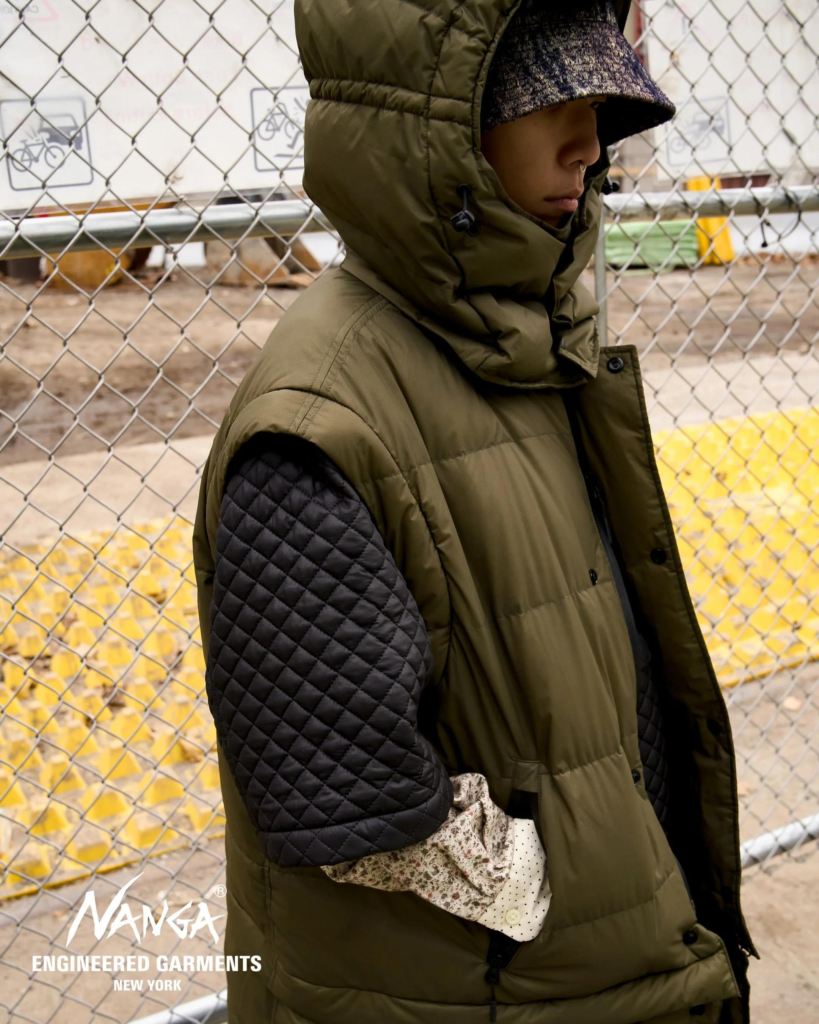
On the consumer side, online searches for “buy less, buy better” and “capsule wardrobe” have hit record highs. The transaction volume of second-hand resale and garment upcycling platforms grew by 45% year-on-year. Young consumers are more willing to pay for apparel that features durability, environmental friendliness and distinctive design. While the average transaction value per order has increased, purchasing frequency has decreased, and rational consumption has become the mainstream.
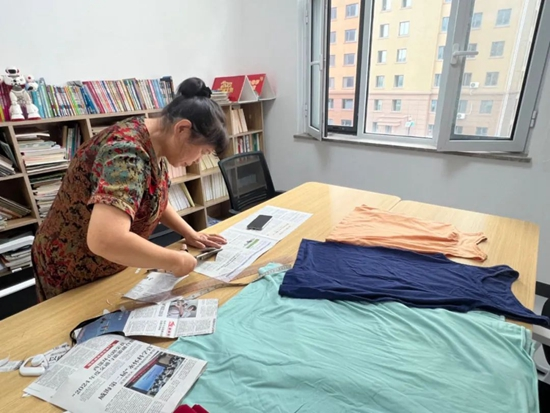
Industry experts state that durable design is not a retro trend, but a correction to the wasteful model of fast fashion. It unifies commercial and environmental value by extending product lifecycles, cutting resource consumption and reducing carbon emissions. In the next 3 to 5 years, durable design and circular economy will become industry norms, leading the apparel sector toward genuine sustainable development.