
On February 25, 2026, two global fast fashion giants, ZARA (Inditex Group) and H&M Group, jointly unveiled a major sustainability commitment. Starting from 2026, all their products including apparel, accessories and footwear will adopt 100% sustainable fabrics, while traditional virgin chemical fibers and conventional cotton will be completely phased out to advance the low-carbon and circular transformation of the global textile supply chain. This move signals that the green transition of the fast fashion industry has moved from partial trials to full-scale implementation, which will profoundly reshape the landscape of global raw material sourcing, manufacturing and consumer markets.

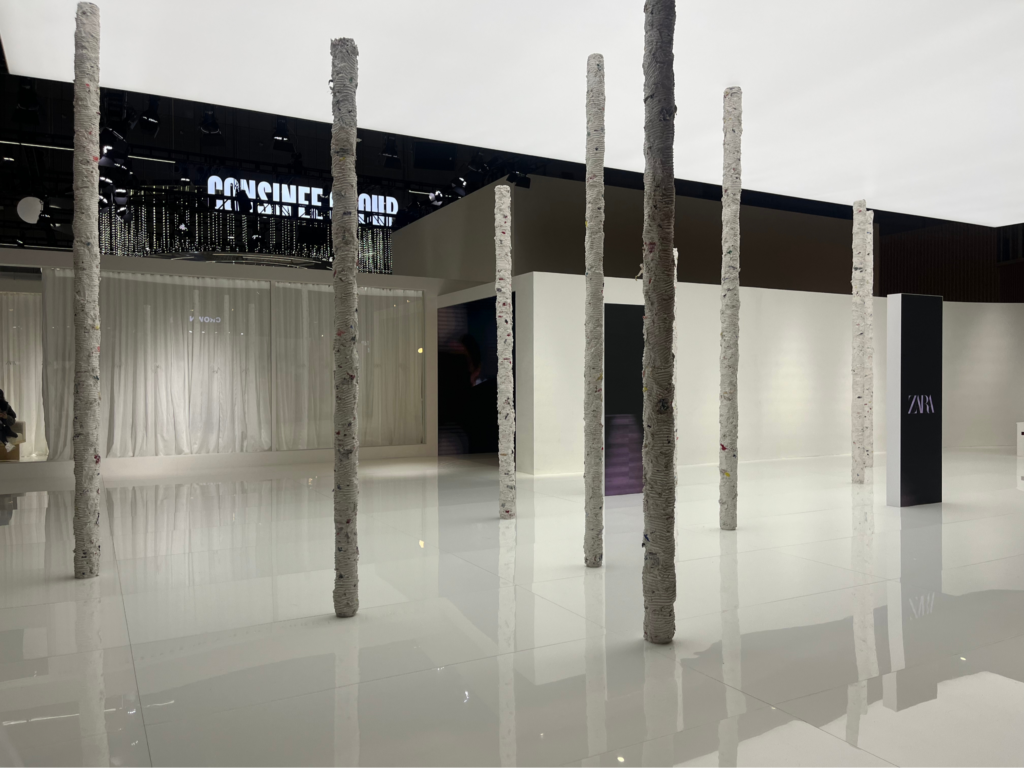
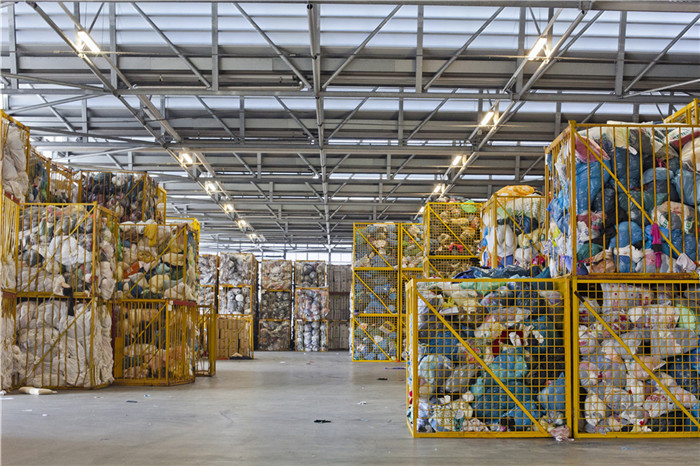
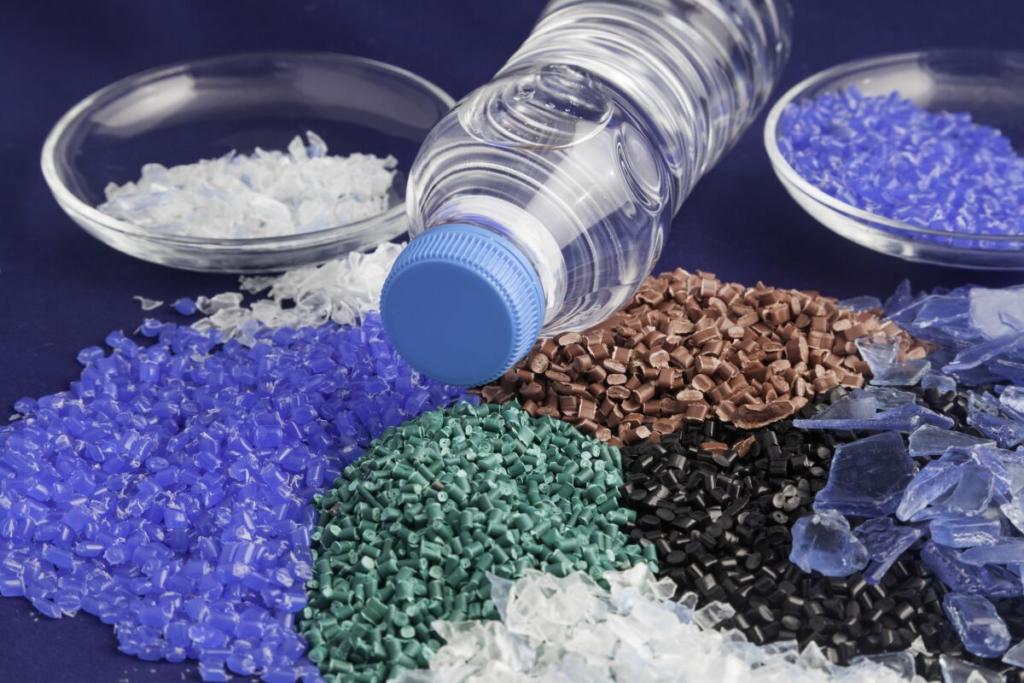
As announced, sustainable fabrics mainly fall into four major categories: recycled polyester made from plastic bottles and fishing nets, pesticide and fertilizer-free organic cotton, regenerated cellulosic fibers such as lyocell and modal, as well as bio-based materials including mycelium and algae fibers. ZARA stated that by the end of 2026, recycled polyester will account for 50% of its fabric usage and organic cotton 30%, with the rest consisting of regenerated cellulosic fibers and bio-based materials. H&M plans to raise the proportion of recycled fibers to 60% and scale up the recycling and reuse of waste textiles to build a cradle-to-cradle closed-loop system.
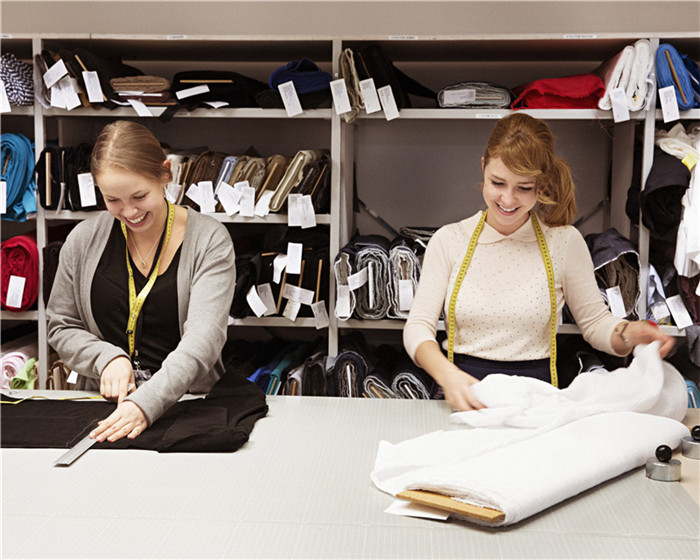
Both brands have stepped up supply chain traceability and environmental certification. All suppliers are required to provide fabric environmental test reports, carbon footprint data and social responsibility audit documents to ensure the fulfillment of sustainability pledges. Industry calculations show that this initiative can cut annual water consumption by over 1 billion tons, reduce pesticide use by more than 200,000 tons and lower carbon emissions by over 5 million tons, delivering remarkable environmental benefits.
For China’s textile and apparel industry, this presents both challenges and opportunities. As the world’s largest producer and exporter of textiles and garments, China boasts a complete industrial chain and robust production capacity. The comprehensive green transformation of ZARA and H&M will drive domestic upstream fabric manufacturers to accelerate eco-friendly upgrading. It will also boost capacity expansion and technological breakthroughs in recycled fibers, organic cotton and bio-based materials, and is expected to cultivate a number of green fabric enterprises with global competitiveness.
In the consumer market, products made from sustainable fabrics are only 5% to 10% higher in price than traditional counterparts. They balance environmental performance and cost-effectiveness, well meeting mass consumer demands. Statistics show that sales of sustainable collections from ZARA and H&M rose by 75% year-on-year in the first quarter of 2026, with consumer acceptance far beyond expectations.
Experts noted that the full shift of leading fast fashion brands to sustainable fabrics will create a strong demonstration effect and drive small and medium-sized brands around the world to follow suit. Sustainable fabrics will evolve from a premium choice into an industry standard, accelerating the low-carbon and circular transformation of the global textile industry.
